

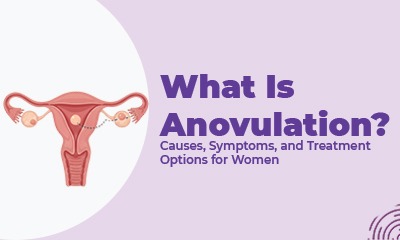
Ovulation plays a vital role in a woman’s reproductive cycle. Each month, the ovaries release an egg that can potentially be fertilized, making pregnancy possible. However, in some women, the ovaries may fail to release an egg regularly or stop ovulating completely. This condition is known as anovulation, and it is a common reason for female infertility.
At Kiran Infertility Center Chennai, fertility specialists frequently diagnose and treat ovulation disorders. With advanced medical care and personalised anovulation treatment, many women are able to restore ovulation and improve their chances of becoming pregnant.
Understanding Anovulation
Anovulation occurs when the ovaries do not release an egg during the menstrual cycle. Since fertilisation requires an egg to be released, pregnancy cannot occur when ovulation does not take place.
Some women may experience occasional anovulatory cycles, which is usually not a major concern. However, chronic anovulation, where ovulation repeatedly fails to occur, can lead to irregular menstrual cycles and difficulty conceiving.
Ovulation disorders are responsible for a significant portion of infertility cases in women. Fortunately, with proper diagnosis and modern fertility treatments, most ovulation problems can be managed successfully.
Common Causes of Anovulation
Several medical and hormonal factors can disrupt the normal ovulation process. Some of the most common causes include:
1. Hormonal Imbalance
Ovulation is controlled by hormones such as FSH, LH, estrogen, and progesterone. If these hormones become imbalanced, the ovaries may not release an egg.
2. Polycystic Ovary Syndrome (PCOS)
PCOS is one of the leading causes of anovulation. Women with PCOS often experience irregular periods, elevated androgen levels, and problems with ovulation.
3. Thyroid Disorders
Both hypothyroidism and hyperthyroidism can affect reproductive hormones and interfere with ovulation.
4. Lifestyle Factors and Stress
Extreme stress, excessive exercise, sudden weight loss, obesity, or unhealthy lifestyle habits can disturb hormonal balance and affect ovulation.
5. Premature Ovarian Insufficiency
In certain cases, the ovaries may lose their normal function before the age of 40, leading to ovulation failure.
6. Medications
Certain medications can interfere with hormone levels and disrupt the ovulation process.
Symptoms of Anovulation
Anovulation may not always cause noticeable symptoms. However, some common signs include:
- Irregular menstrual cycles
- Missed or absent periods
- Very light or unusually heavy menstrual flow
- Difficulty getting pregnant
- Lack of typical premenstrual symptoms
- Hormonal acne or excess facial hair (often linked with PCOS)
Women experiencing irregular periods or fertility challenges should consult a specialist to evaluate whether ovulation is occurring normally.
How Is Anovulation Diagnosed?
Fertility specialists use several diagnostic tests to identify ovulation disorders. These may include:
- Blood tests to assess hormone levels
- Ultrasound scans to observe ovarian follicles
- Ovulation monitoring during the menstrual cycle
- Thyroid and metabolic evaluations
At Kiran Infertility Center Chennai, advanced diagnostic technology helps doctors accurately determine the cause of ovulation problems and recommend the most appropriate treatment.
Anovulation Treatment Options
The approach to anovulation treatment depends on the underlying cause. With proper medical care, many women can successfully restore ovulation and achieve pregnancy.
1. Lifestyle Modifications
For some women, simple lifestyle improvements can help regulate ovulation. These may include:
- Maintaining a healthy body weight
- Managing stress levels
- Following a nutritious and balanced diet
- Engaging in regular moderate physical activity
2. Ovulation Induction Medications
Doctors may prescribe fertility medications that stimulate the ovaries to release eggs. These medications help regulate hormonal activity and increase ovulation frequency.
3. Hormone Therapy
If hormonal imbalances or thyroid disorders are present, hormone therapy may be recommended to restore normal reproductive function.
4. PCOS Management
Women diagnosed with PCOS often require a combination of medication, lifestyle changes, and fertility treatments to promote ovulation.
5. Assisted Reproductive Techniques
If ovulation induction alone does not result in pregnancy, assisted reproductive treatments may be suggested, including:
- Intrauterine Insemination (IUI)
- In Vitro Fertilization (IVF)
These techniques can significantly improve the chances of fertilisation and successful pregnancy.
When Should You See a Fertility Specialist?
It is advisable to consult a fertility expert if:
- You experience irregular or absent menstrual cycles
- You have been trying to conceive for over one year without success
- You have been diagnosed with PCOS or hormonal disorders
- Ovulation tests consistently show no ovulation
Early diagnosis and timely treatment can greatly improve fertility outcomes.
Expert Fertility Care at Kiran Infertility Center Chennai
Kiran Infertility Center Chennai is known for its expertise in diagnosing and treating complex fertility conditions. With experienced fertility specialists and advanced reproductive technologies, the centre offers comprehensive solutions for ovulation disorders.
From ovulation induction therapies to advanced IVF procedures, patients receive personalised treatment plans designed to maximise their chances of achieving a successful pregnancy.
Frequently Asked Questions (FAQs)
1. Can women with anovulation become pregnant?
Yes. Many women with anovulation can conceive successfully with the help of medical treatments such as ovulation induction, lifestyle changes, or assisted reproductive techniques.
2. What is the most common cause of anovulation?
Polycystic Ovary Syndrome (PCOS) is one of the most common causes of anovulation in women of reproductive age.
3. How do doctors diagnose anovulation?
Doctors typically diagnose ovulation disorders using hormone blood tests, ultrasound monitoring, and ovulation tracking methods.
4. Is anovulation a permanent condition?
Not necessarily. In many cases, anovulation can be treated effectively, and ovulation can be restored through medications or lifestyle adjustments.
5. What treatments are available for anovulation?
Treatment options include ovulation-inducing medications, hormone therapy, lifestyle modifications, and assisted reproductive techniques such as IUI and IVF.

WOW,Very wonderful