

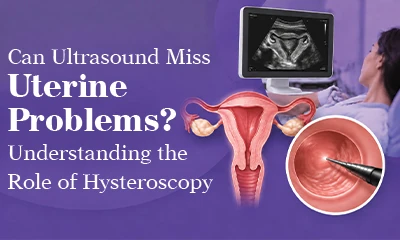
Hysteroscopy before IVF can be considered when your fertility specialist needs more information about the uterine cavity before an embryo transfer. An ultrasound can provide valuable information about the uterus and ovaries, but certain problems inside the cavity may not always be clearly visible. In such situations, looking directly inside the uterus can provide additional information.
Hysteroscopy for fertility is a procedure in which a narrow instrument with a small camera is used to examine the inside of the uterus. It is introduced through the vagina and cervix, so there is no external incision. Depending on what is found, the doctor may also be able to treat certain problems during the procedure.
What Can a Routine Ultrasound Tell You?
Ultrasound is one of the most commonly used investigations during fertility treatment. It can help the doctor look at the ovaries, follicles, uterine lining, fibroids and the general appearance of the uterus.
However, ultrasound has limitations. A small growth inside the uterine cavity or a thin band of scar tissue may not always be obvious on a routine scan.
This is why fertility assessment is not based on one test alone. Your doctor may consider your symptoms, previous pregnancies, surgeries, IVF history and other investigation results before deciding whether another procedure is needed.
Why Is the Inside of the Uterus Important for IVF?
During IVF, the embryo needs to be transferred into the uterine cavity. The condition of this cavity is therefore one of the factors considered when planning treatment.
Problems such as a polyp, adhesions or a fibroid projecting into the cavity can change the shape or environment of the uterus. If such a problem is suspected, your fertility specialist may want to examine it more closely before proceeding with embryo transfer.
It is important to remember that not every uterine finding affects fertility, and treatment is not automatically required simply because an abnormality is detected.
What Can Be Seen During Hysteroscopy?
Unlike an ultrasound image, hysteroscopy gives the doctor a direct view of the uterine cavity.
It may help identify:
- Polyps inside the uterus
- Adhesions or scar tissue
- Fibroids that project into the cavity
- Certain structural abnormalities
- Areas that appear unusual inside the uterine cavity
- Other changes that may need further evaluation.
The findings can help the fertility specialist decide whether any treatment is required before continuing with fertility treatment.
When Might Your Doctor Recommend Hysteroscopy?
There is no single situation in which every patient needs hysteroscopy. It may be considered depending on the individual case.
Your doctor may discuss it if you have:
- Repeated embryo implantation failure
- Recurrent miscarriages
- A suspected polyp or fibroid
- Possible adhesions inside the uterus
- An unusual finding on an ultrasound or other scan
- A history of procedures involving the uterus
- Previous fertility treatment where further uterine evaluation is considered appropriate.
The recommendation will depend on your personal medical history and the findings from your fertility assessment.
Can Hysteroscopy Find and Treat Problems at the Same Time?
In some cases, yes.
If a suitable problem is identified during hysteroscopy, the doctor may be able to treat it during the procedure. For example, some polyps or adhesions can be removed.
Whether treatment can be performed at the same time depends on the type, size and location of the abnormality, as well as the procedure planned by your doctor.
Hysteroscopy vs Ultrasound: Are They the Same?
No. They provide different types of information.
Ultrasound uses imaging to assess the uterus, ovaries and surrounding structures without entering the uterine cavity.
Hysteroscopy allows the doctor to directly see the inside of the uterine cavity using a small camera.
For this reason, the two methods are not necessarily alternatives. In some patients, ultrasound may be sufficient, while in others, hysteroscopy may provide additional information.
Does a Normal Scan Mean Everything Is Fine?
A normal ultrasound is useful and reassuring, but it does not always answer every question about the uterine cavity.
If you continue to experience fertility difficulties or have a history such as repeated implantation failure, your doctor may consider whether further evaluation could provide useful information.
This does not mean that every person with infertility needs hysteroscopy. The decision should be based on the individual’s medical situation rather than a routine approach for everyone.
What Happens During a Hysteroscopy?
During hysteroscopy, a thin camera is passed through the vagina and cervix to reach the uterus. The doctor can then examine the uterine cavity on a screen.
The type of hysteroscopy, pain management, preparation and recovery can vary depending on whether the procedure is being performed only for diagnosis or whether treatment is also planned.
Your fertility specialist will explain the procedure and what you should expect before it is scheduled.
Can Hysteroscopy Improve IVF Outcomes?
Hysteroscopy can help identify and, in selected cases, treat abnormalities inside the uterine cavity. However, it does not guarantee pregnancy or IVF success.
Fertility outcomes depend on several factors, including age, egg and sperm factors, embryo quality, uterine factors and overall reproductive health. Your doctor can explain whether hysteroscopy is likely to be useful in your particular situation.
When Should You Talk to a Fertility Specialist?
If you have been trying to conceive, experienced repeated implantation failure, or have been advised that there may be a problem with the uterus, discuss your options with a fertility specialist.
Instead of assuming that a normal ultrasound rules out every uterine problem, your doctor can review your complete history and determine whether any additional evaluation is appropriate.
Conclusion
Ultrasound plays an important role in fertility care, but it cannot always provide a complete picture of the inside of the uterine cavity. Hysteroscopy gives the fertility specialist an opportunity to directly examine the cavity and, when appropriate, treat certain abnormalities.
At KIC Chennai, our fertility specialists take an individualized approach to infertility evaluation and treatment. If you have concerns about your uterus, previous IVF outcomes or embryo implantation, consult our fertility specialists to understand whether hysteroscopy or another investigation may be suitable for you.
FAQs
1. Why would I need hysteroscopy if my ultrasound is normal?
A routine ultrasound may not clearly show every small abnormality inside the uterine cavity.
Your doctor may suggest hysteroscopy when your fertility history or other findings indicate that a closer examination could be useful.
2. Can hysteroscopy be done before an embryo transfer?
Yes, hysteroscopy may be performed before embryo transfer when there is a medical reason to examine or treat the uterine cavity. The timing will depend on your individual treatment plan.
3. What fertility problems can hysteroscopy help identify?
It can help identify problems inside the uterine cavity, including polyps, adhesions and some fibroids that project into the cavity.
4. Is hysteroscopy painful?
The experience can vary depending on the type of hysteroscopy and whether treatment is being performed. Your doctor will discuss the appropriate pain management or anesthesia for your procedure.
5. Can hysteroscopy guarantee successful IVF?
No. Hysteroscopy can help identify and treat certain uterine problems, but IVF success depends on multiple factors. Your fertility specialist can explain how the procedure may fit into your individual treatment plan.


Recent Comments