
Blocked fallopian tubes are one of the leading causes of female infertility. Many women are unaware of the condition until they face difficulty conceiving. Since fertilization usually takes place inside the fallopian tubes, any blockage or damage can affect the chances of pregnancy.
At Kiran Infertility Center, fertility specialists provide advanced diagnostic and treatment options for women struggling with tubal factor infertility.
What Are Fallopian Tubes?
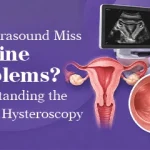
Fallopian tubes are thin structures connecting the ovaries to the uterus. During ovulation, the egg travels through these tubes where it meets the sperm for fertilization. If the tubes are blocked, sperm cannot reach the egg, making natural conception difficult.
What Causes Blocked Fallopian Tubes?
Several medical conditions can lead to tubal blockage or damage. Common causes include:
- Pelvic inflammatory disease (PID)
- Endometriosis
- Previous pelvic surgeries
- Sexually transmitted infections
- Tuberculosis-related infections
- Ectopic pregnancy
- Scar tissue and adhesions
These conditions may create inflammation or scarring that prevents the egg and sperm from meeting.
Symptoms of Blocked Fallopian Tubes
Many women experience no noticeable symptoms. However, some may have:
- Difficulty getting pregnant
- Pelvic pain
- Painful periods
- Unusual vaginal discharge
- Lower abdominal discomfort
Hydrosalpinx, a condition where fluid accumulates inside the tube, may also cause discomfort and affect IVF success rates.
How Are Blocked Tubes Diagnosed?
Fertility specialists use several methods to diagnose tubal blockage:
HSG Test (Hysterosalpingography)
This imaging test uses dye and X-rays to check whether the fallopian tubes are open. It is one of the most common fertility investigations.
Laparoscopy
A minimally invasive procedure that helps doctors directly examine the reproductive organs and detect adhesions or damage.
Ultrasound and Sonography
These tests help evaluate reproductive health and identify abnormalities.
Can Pregnancy Happen with Blocked Fallopian Tubes?
Pregnancy may still be possible if only one tube is blocked and the other functions normally. However, if both tubes are severely damaged, assisted reproductive techniques like IVF are often recommended.
Treatment Options for Blocked Fallopian Tubes
At Kiran Infertility Center, treatment plans are personalized based on the severity and location of the blockage.
Fertility Medications
In some mild cases, ovulation-inducing medications may help improve chances of conception.
Laparoscopic Surgery
Surgery may remove scar tissue or open blocked tubes in selected patients.
IVF Treatment
IVF bypasses the fallopian tubes completely by fertilizing the egg outside the body and transferring the embryo directly into the uterus. This is considered one of the most effective treatments for severe tubal infertility.
When Should You Consult a Fertility Specialist?
You should seek medical advice if:
- You are under 35 and unable to conceive after 1 year
- You are above 35 and unable to conceive after 6 months
- You have a history of pelvic infections or endometriosis
- You have experienced ectopic pregnancy
Early diagnosis improves treatment success and fertility outcomes.
Expert Fertility Care in Chennai
Kiran Infertility Center offers advanced fertility evaluation, IVF treatments, and compassionate reproductive care for couples trying to start their family. With experienced fertility specialists and modern reproductive technology, the center supports patients throughout their fertility journey.
FAQs – Kiran Infertility Center Chennai
1. Can blocked fallopian tubes cause infertility?
Yes, blocked fallopian tubes are one of the common causes of female infertility because they prevent the egg and sperm from meeting for fertilization.
2. What are the symptoms of blocked fallopian tubes?
Many women may not notice symptoms. Some may experience pelvic pain, painful periods, lower abdominal discomfort, or difficulty getting pregnant.
3. How are blocked fallopian tubes diagnosed?
Doctors commonly use HSG (Hysterosalpingography), ultrasound scans, and laparoscopy to diagnose tubal blockage.
4. Can I get pregnant naturally with one blocked tube?
Yes, pregnancy is still possible if one fallopian tube is healthy and functioning properly.
5. Is IVF the best treatment for blocked fallopian tubes?
IVF is often considered the most effective treatment for severe or bilateral tubal blockage because it bypasses the fallopian tubes completely.