

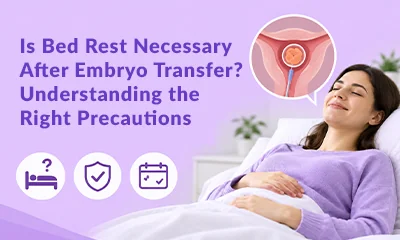
Is Bed Rest Necessary After Embryo Transfer? Understanding the Right Precautions
Bed rest after embryo transfer is one of the common concerns during the days following an embryo transfer. Many women wonder if they should avoid walking, climbing stairs, going to work or performing everyday household activities after the procedure. Although it is natural to be extra cautious during this stage, medical evidence does not support prolonged bed rest after an uncomplicated embryo transfer. Knowing which activities are safe and what precautions to follow can help you manage the waiting period without unnecessary restrictions.
Precautions After Embryo Transfer: What Should You Know?
Following appropriate precautions after embryo transfer can help you maintain your well-being during the two-week waiting period. However, precautions do not mean remaining in bed all day or avoiding regular movements.
Your fertility specialist may suggest certain lifestyle modifications based on your medical history, ovarian response, treatment protocol and overall health. Understanding your doctor’s recommendations, taking prescribed medications on time and maintaining a comfortable routine are important parts of post-transfer care.
Is Bed Rest Necessary After Embryo Transfer?
No, complete bed rest is generally not required after an uncomplicated embryo transfer. In the past, women were often advised to remain lying down for extended periods following the procedure. This was based on the concern that movement might affect the embryo or interfere with implantation.
However, clinical research has not demonstrated any improvement in pregnancy outcomes with prolonged bed rest. The American Society for Reproductive Medicine (ASRM) has also reviewed the available evidence and advised against recommending bed rest after embryo transfer.
It is important to understand that the embryo is carefully placed inside the uterine cavity during the procedure. Normal activities such as standing, walking or visiting the washroom do not cause it to fall out. Implantation is a natural biological process involving the developing embryo and the uterine lining.
Therefore, after an uncomplicated procedure, most women can return to gentle daily activities without worrying that ordinary movements will affect implantation.
Can Walking Affect Embryo Implantation?
Walking after embryo transfer is another common concern among IVF patients. Some women hesitate to move around because they fear that physical activity could disturb the transferred embryo.
The good news is that normal walking and everyday body movements do not dislodge the embryo. Activities such as sitting, standing, coughing, sneezing and using the washroom do not prevent implantation.
After an uncomplicated embryo transfer, you can generally:
-
Walk comfortably around your home.
-
Use the washroom whenever needed.
-
Sit, stand and change sleeping positions normally.
-
Climb stairs at a comfortable pace.
-
Prepare meals and perform light household activities.
-
Return to office work if you feel comfortable.
The key is to avoid overexertion. Pay attention to your body’s signals and take breaks whenever you feel tired. There is no need to restrict normal movement out of fear of affecting the embryo.
How Many Days Should You Rest After Embryo Transfer?
There is no universal recommendation regarding the number of rest days required after an embryo transfer. Some fertility clinics may allow patients to relax briefly after the procedure before they return home. This is simply a short recovery period and does not mean that several days of bed rest are necessary.
Most women can resume light everyday activities soon after the transfer, depending on their comfort and their fertility specialist’s instructions.
However, individual circumstances matter. If you have undergone ovarian stimulation, your ovaries may remain enlarged or sensitive for some time. Your doctor may therefore recommend avoiding certain exercises, heavy lifting or strenuous movements until your condition improves.
Remember that implantation does not depend on how long you remain lying down. It involves several biological factors, including embryo quality, development and the condition of the uterine lining.
Important Precautions After Embryo Transfer
Although prolonged bed rest is unnecessary, following a few sensible precautions can help you take care of yourself during the post-transfer period.
1. Take Your Prescribed Medicines Regularly
Your fertility specialist may prescribe progesterone or other hormonal medications to support the uterine lining. These medicines should be taken according to the prescribed schedule.
Avoid skipping doses, changing the dosage or discontinuing medication without consulting your doctor. Continue your prescribed treatment even if you do not experience any noticeable symptoms.
2. Avoid Heavy Exercise and Strenuous Activities
Gentle walking and normal daily movements are generally acceptable. However, avoid intense workouts, heavy weightlifting, jumping or high-impact exercises until your fertility specialist advises that it is safe to resume them.
This precaution is particularly important for women whose ovaries are still enlarged following ovarian stimulation.
3. Maintain a Healthy and Balanced Diet
Choose nutritious, freshly prepared meals that include vegetables, seasonal fruits, whole grains, pulses and adequate protein. Drink sufficient water throughout the day to maintain hydration.
There is no particular food that can guarantee embryo implantation or IVF success. It is better to follow a balanced eating routine rather than relying on unverified dietary recommendations.
4. Get Enough Sleep
Adequate sleep is important for general health and well-being. Try to maintain a regular sleep schedule and get sufficient rest at night.
You can sleep in whichever position feels comfortable. There is no medically established sleeping position that improves embryo implantation.
5. Stay Away from Smoking and Alcohol
Avoid smoking and alcohol during the post-transfer period. Also, consult your fertility specialist before taking additional medicines, herbal products or supplements that are not part of your prescribed treatment.
Following these simple precautions can help you maintain a healthy routine while allowing your body to go through the natural implantation process.
Can You Go to Work After Embryo Transfer?
Yes, most women can return to work after an uncomplicated embryo transfer. If your job mainly involves sitting, computer work or routine office responsibilities, taking several days off solely because of the procedure is generally unnecessary.
However, women whose jobs involve prolonged standing, heavy lifting, strenuous physical work or long working hours should discuss their routine with their fertility specialist.
The two-week wait can also be emotionally demanding. If you feel tired, anxious or overwhelmed, taking some time off to relax is completely reasonable. Your comfort and emotional well-being are important during this phase.
What Symptoms Should You Monitor After Embryo Transfer?
Every woman’s experience following embryo transfer is different. Some women may notice mild abdominal discomfort, bloating, breast tenderness or light spotting, while others may not experience any symptoms at all.
It is important not to interpret these symptoms as confirmation of pregnancy. Their presence or absence does not determine whether implantation has occurred. Hormonal medications used during IVF treatment can also cause similar changes.
Contact your fertility clinic if you experience:
-
Heavy vaginal bleeding.
-
Severe or persistent abdominal pain.
-
Fever.
-
Increasing abdominal swelling or bloating.
-
Any unusual or worsening symptoms.
Severe pain, significant breathlessness or reduced urination require prompt medical assessment.
Follow your fertility clinic’s instructions regarding the pregnancy test. Testing too early may produce confusing results, so wait until the date recommended by your doctor.
Frequently Asked Questions About Bed Rest After Embryo Transfer
1. Is bed rest necessary for successful implantation after embryo transfer?
No. Prolonged bed rest is not recommended after an uncomplicated embryo transfer. Research has not shown that staying in bed improves implantation or pregnancy rates. Follow your fertility specialist’s instructions regarding recovery and physical activity.
2. Can I walk immediately after embryo transfer?
Yes. Gentle walking is generally safe after embryo transfer. Normal movements do not cause the embryo to come out of the uterus or interfere with implantation.
3. Can I climb stairs after embryo transfer?
Yes. Climbing stairs at a comfortable pace is generally considered safe following an uncomplicated transfer. You do not need to avoid stairs unless your doctor has advised specific restrictions.
4. What precautions should I take after embryo transfer?
Continue prescribed medications, eat balanced meals, stay hydrated and get sufficient sleep. Avoid strenuous exercise and heavy lifting until your fertility specialist confirms that you can resume these activities.
5. Can I do household work after embryo transfer?
Yes. Light household activities, such as preparing meals, walking around the house and performing simple daily tasks, are generally acceptable. Avoid heavy lifting and physically demanding chores.
6. Does lying down for longer improve IVF success?
No. Extended bed rest has not been shown to improve implantation or pregnancy rates. IVF success depends on several factors, including embryo development and the condition of the uterine lining, rather than how long you remain lying down.
Conclusion
The period after embryo transfer is an important part of the IVF journey, and it is completely natural to feel concerned about every activity during this time. However, avoiding all movement or staying in bed for several days is not necessary after an uncomplicated procedure.
At Kiran Infertility Center Chennai, we believe that providing the right guidance and information is an important part of fertility care. Understanding post-transfer precautions, following your prescribed medications and maintaining a comfortable daily routine can help you approach the two-week wait with greater confidence.
Every IVF journey is different, and individual medical requirements may vary. Follow the advice of your fertility specialist and consult your treatment team whenever you have concerns about recovery, physical activity or symptoms after embryo transfer.


Recent Comments